The F/A-18 Hornet — your mount, in numbers
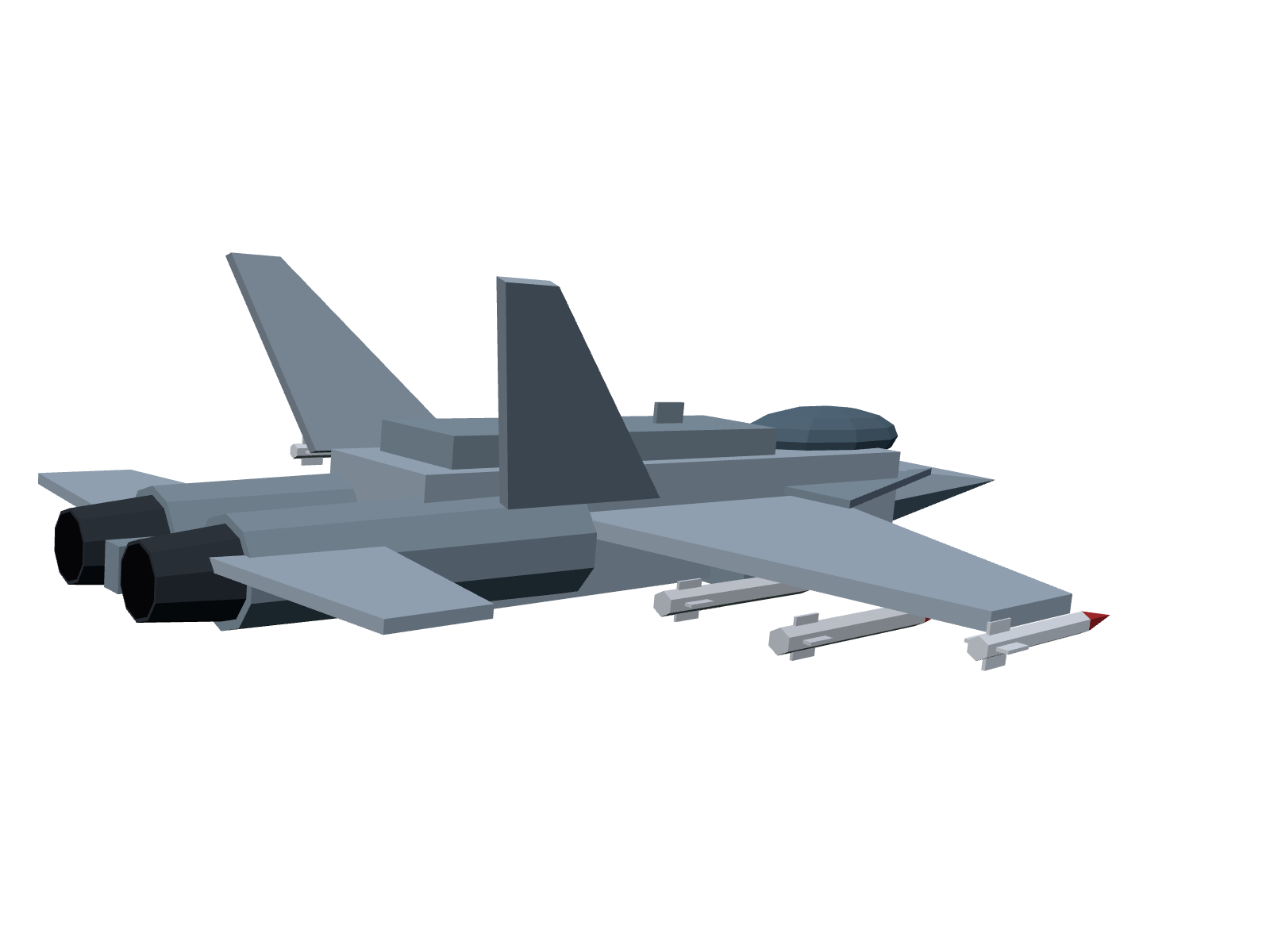
The Hornet is the jet Hornet Bay hands you first: a true strike fighter with a 95 m/s stall, a 10 G limit, 25,000 lb of fuel and a hook for the boat. Here are the numbers that make it tick.
The Hornet is the jet Hornet Bay hands you first, and it earns the job: it is the one aircraft in the hangar that is honestly both things. McDonnell Douglas’s F/A-18 first flew on 18 November 1978, and the Navy lists it as a “Strike Fighter” — equally at home air-to-air and air-to-ground. The letters are the design brief. F on Monday, A on Tuesday, same airframe.
By the numbers (in the sim)
- Stall: 95 m/s, call it 185 kt. Below that the nose stops being a suggestion.
- Rotate: 80 m/s, about 155 kt, on the cat or the runway.
- G limit: 10. The F-16 gets 11, the F-15 gets 9, the Tomcat 8 with wings spread — so the Hornet sits in a comfortable middle.
- Fuel: 25,000 lb. Parked at military power you would burn it in about 21 minutes; light the afterburner and the burn rate more than triples, leaving roughly six minutes. Plan your burner, not your luck.
- Ceiling: 12,487 m, about 40,970 ft. Beyond that the sim simply says no.
- Boat: the Hornet has a hook and a bridle. The F-16 and F-15 do not, and neither does the Warthog.
Why it matters to the game
Those numbers give the Hornet its character: a friendly stall speed for a deck landing, enough G to win a turning fight, and a fuel tank that forces decisions. It is the right jet for learning the flight school sorties and the right jet to earn a first solo in. The Tomcat is thirstier and higher, but it takes more earning.
And remember the rule: a mission only counts as complete when you return to the point of origin. Fuel is the arithmetic behind that rule.
Want it on your desk? The Hornet is the first model in the print bay, 150 mm long and gear up, ready for the cat. The full catalogue lives at /print.
Try this: take off in the Hornet, hold full afterburner and watch the fuel gauge. Then repeat at military power and see how far you get home.
— HB